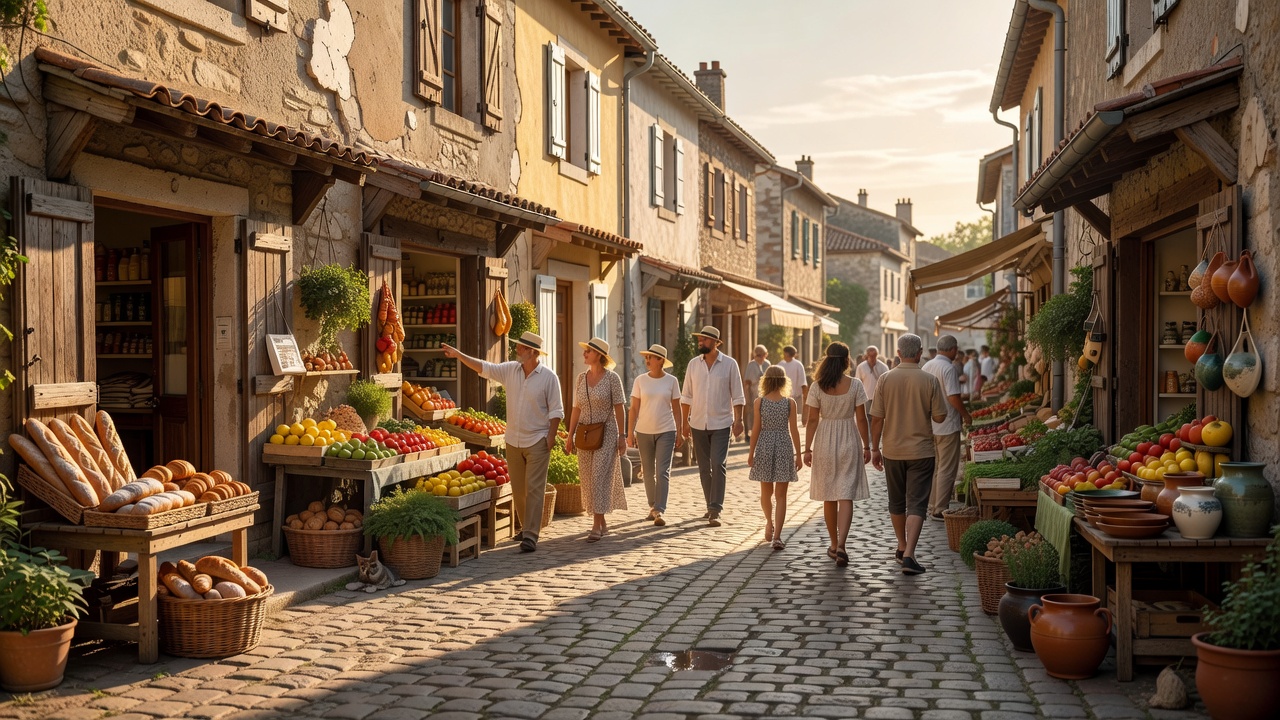
“Remote” is relative. A village that feels far from your usual route may have regular visitors, busy working routines and strong connections to nearby towns. These selections are not claims of discovery. They are invitations to choose a base, understand the transport and spend time in public places without assuming access to private lives. A modest, well-prepared visit can be more rewarding than a long circuit of brief stops.
The Alpujarras: choose a base, not a collection
The Alpujarras, on the southern slopes of Spain’s Sierra Nevada, offer village streets, agricultural landscapes and walking possibilities within a relatively compact region. Pampaneira, Bubión and Capileira are established destinations, not unknown alternatives. Their value for this shortlist lies in the option to slow a visit down rather than move through all three as quickly as possible.
Pick accommodation according to your actual mobility and transport needs. Steep streets, steps and parking outside a historic centre can affect arrival with luggage. A map’s short walking distance does not tell you the gradient or surface. Ask the host specific questions if step-free access or limited walking is important to you.
Check current bus services before deciding to travel without a car, and verify the return as carefully as the outward journey. If walking between settlements, confirm that the path is open and appropriate for the season. Heat, mountain weather and reduced daylight can change an otherwise straightforward plan. Carry water and avoid treating irrigation channels, gardens or fields as convenient shortcuts.
Maramureș: seek interpretation, not a tableau
Romania’s Maramureș region is often introduced through wooden churches, village architecture and craft traditions. Those are worthwhile starting points, but they can become misleading if the whole region is presented as unchanged. People work, commute, renovate and make choices about their own homes. A good visit leaves room for that ordinary contemporary reality.
Breb can serve as a village-stay example, while the wider region’s wooden churches offer historical context. Neither creates an automatic right to enter courtyards or photograph residents. Choose a hosted visit or locally arranged introduction when you want to learn about a craft or household practice. Ask what is included, agree on payment where relevant and accept a refusal without negotiation.
Churches may have restricted access, services or expectations about clothing and photography. Check at the site rather than assuming a visitor schedule takes priority over worship. Regional transport can require careful coordination, so confirm connections and the final distance to your accommodation. A locally arranged transfer may be more practical than an optimistic sequence of unverified services.
The Kiso Valley: an established route, thoughtfully used
Japan’s Kiso Valley offers another useful model: historic post towns within a living regional landscape. Tsumago and the wider Nakasendō walking context are well known. The reason to consider them is not exclusivity, but the chance to combine transport, walking and a small-town stay with more attention than a hurried photo visit permits.
Separate the historic walking route from the modern transport plan. Confirm where you will start, where you will finish and how you will reach your bed afterwards. Services and luggage arrangements need checking for your date; they should not be inferred from another traveller’s account. Keep essential medication and weather protection with you rather than in a transferred bag.
Respect signs about photography, private property and eating or resting areas. An attractive wooden facade may be someone’s home or workplace. Stay on marked routes and adjust your walking ambition for rain, ice, daylight and official advice. If you choose an inn, understand meal times and arrival expectations before booking, because a late arrival may affect more than your own evening.
Spend in ways that support the visit you want
Buy meals, guiding or accommodation because they are useful and fairly offered, not because a place owes you an “authentic” interaction. Learn a greeting, carry away rubbish and keep groups from blocking narrow streets. Useful background sources include Andalucía’s tourism information, UNESCO’s Wooden Churches of Maramureș listing and Japan’s national tourism information. Confirm operational details locally before relying on them.