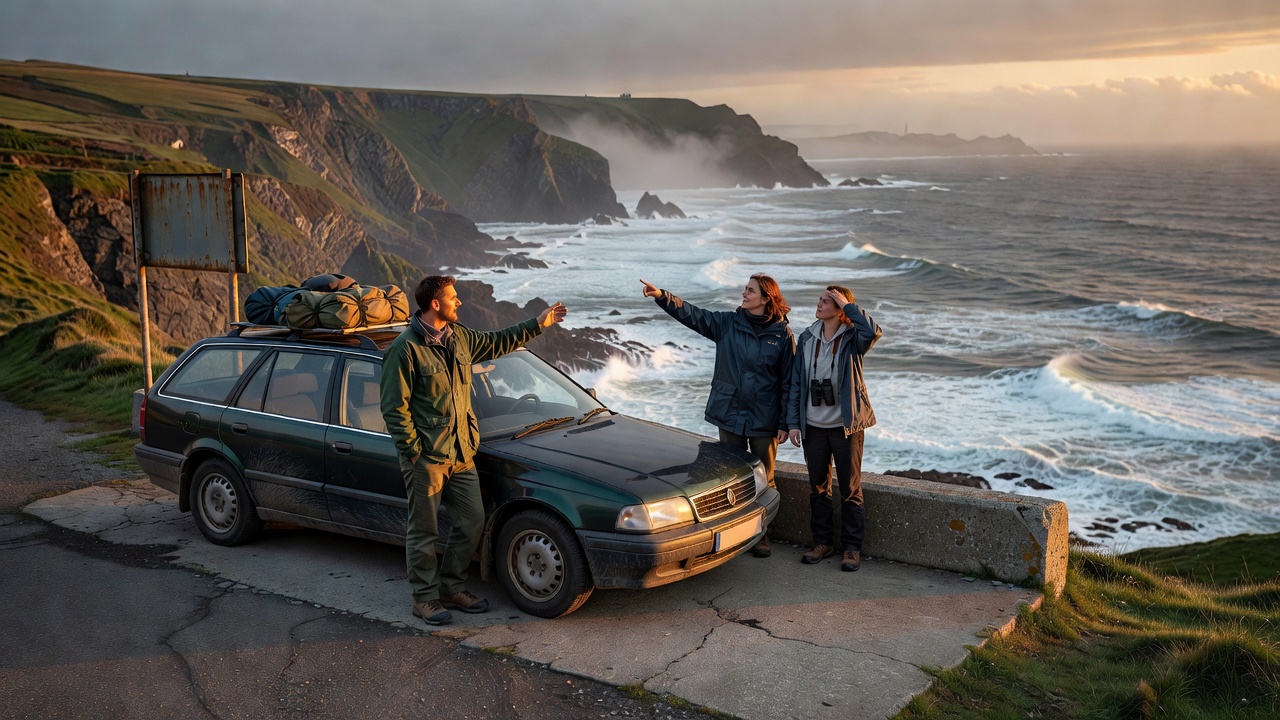
A scenic road becomes a better journey when the itinerary has room for the places beside it. That means distinguishing a driving day from a day that merely contains some driving. Ferry queues, town visits, unfamiliar roads and weather all take time. The following routes offer different rhythms, but none benefits from an aggressive schedule assembled from navigation-app estimates.
Portugal’s N2: select a section with purpose
The N2 connects Chaves and Faro through a broad cross-section of mainland Portugal. Its appeal is not that every stretch is spectacular. It is the change between northern terrain, inland towns and the landscapes farther south. Travellers who prefer continuity over a collection of headline sights may find that progression more satisfying than another motorway transfer.
You do not need to drive the entire road. Choose a manageable section and identify places where you actually want to spend an evening. Around the wider Coimbra region, understand which visits require leaving the route. In the Alentejo, give heat and exposed walking the same attention you give driving time. A lunch stop is more useful when you can park legally and explore without rushing.
Check the rental agreement for toll arrangements, roadside support and any limits relevant to your vehicle. Download maps before leaving reliable coverage. Summer heat can make a midday town walk unpleasant, while shorter daylight changes the shape of a winter day. Neither concern requires abandoning the trip; both argue for a plan built around conditions rather than an assumed daily distance.
Helgeland: the crossing is part of the route
Norway’s Helgeland coast is a strong alternative for travellers who enjoy the structure of ferries, peninsulas and small coastal bases. Roads associated with the Helgelandskysten scenic route make sense as a connected journey only when you account for the crossings. A missed sailing can change dinner plans and arrival times even when the driving distance looks modest.
Choose overnight stops around the services you intend to use, then verify timetables and whether reservations apply. Do not assume every crossing uses the same boarding procedure. Allow time for waiting, toilets, food and boarding rather than treating a ferry as a moving bridge. Keep essential layers within reach instead of buried under luggage.
Summer’s long daylight does not remove fatigue. In colder or shoulder-season conditions, check road information, equipment requirements and your own experience. A viewpoint is optional; stopping in a traffic lane is not. Use designated parking, avoid obstructing working harbours and do not enter private drives to obtain a better angle on the coast.
Ardnamurchan: shorter distances, slower decisions
Scotland’s Ardnamurchan peninsula rewards travellers who are comfortable with narrow roads and patient driving. It is not a shortcut to solitude. Residents, deliveries and other visitors use the same network, so the quality of your visit depends partly on how considerately you share it.
Learn single-track-road etiquette before departure. Passing places are for passing, not scenic parking. Let traffic pass when appropriate and never force another driver into an unsafe manoeuvre because you are uncertain about reversing. If that type of road would make the trip stressful, choose a more accessible base rather than relying on confidence arriving later.
Fuel, meals and accommodation should be checked in advance. Plan walks and coastal stops around actual access, not simply a pin near the sea. Wind and rain may make a sheltered local visit preferable to an exposed headland. Avoid building an itinerary that requires reaching the farthest point regardless of conditions.
Do the final checks close to departure
Use Visit Portugal for destination context, Norwegian Scenic Routes for route information and Traffic Scotland for Scottish trunk-road updates. Local roads and ferry operators may need separate checks. Confirm your own accommodation arrival arrangements, carry a realistic fallback and stop driving before fatigue turns a pleasant detour into a difficult obligation.